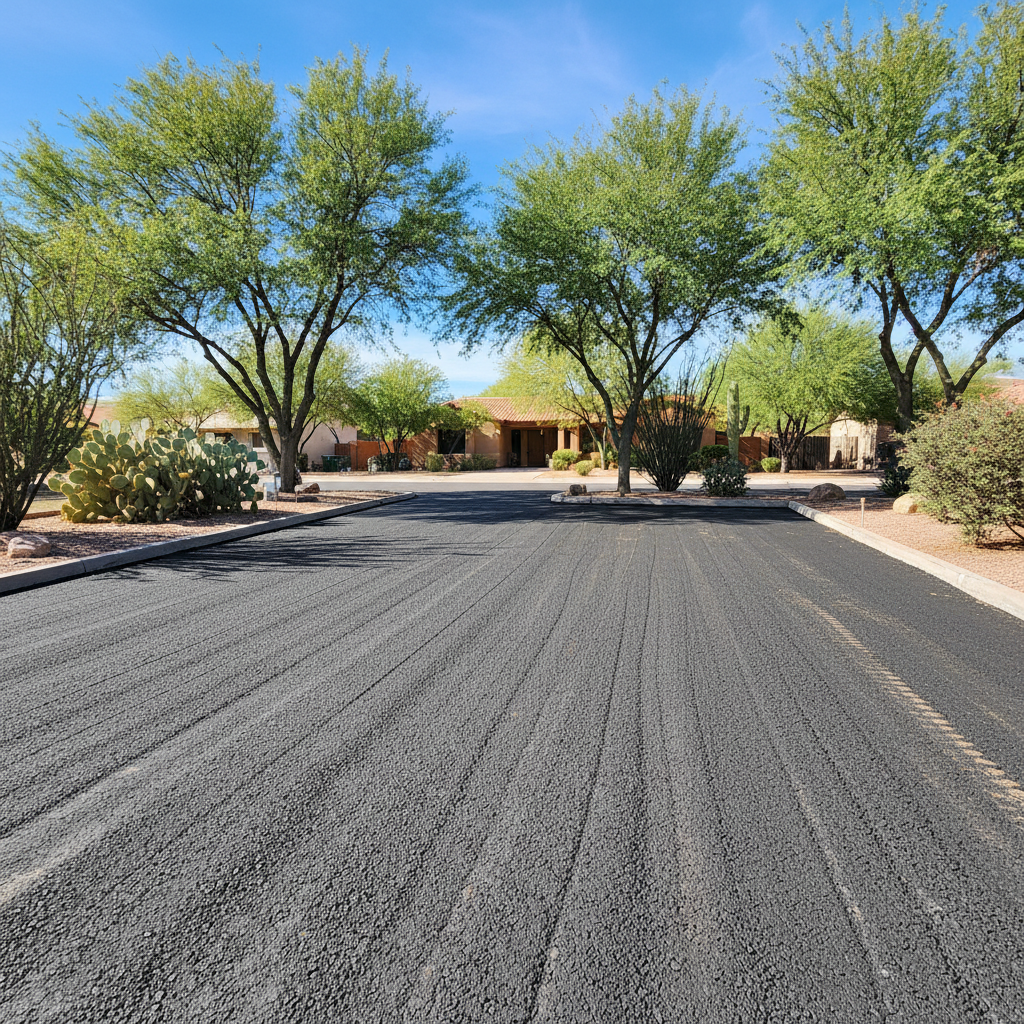
So, when's the best time to mill your asphalt here in Tucson? That's a question I hear a lot, and it's a good one. Our desert climate isn't like other places; it really dictates when we can do quality work and when we should just hold off. You don't want to waste your money, and frankly, I don't want to do a job that won't last. Let's talk about it then.
Understanding Asphalt Milling in Our Desert Climate
First things first, what exactly is milling? It's basically grinding off the top layer of your existing asphalt pavement. We do this to fix problems like serious cracking, rutting, or just to create a fresh, stable base before laying down new asphalt. It's a smart, cost-effective way to fix up your driveway or parking lot without a full tear-out.
Now, Tucson's climate. It's a real challenge, isn't it? We've got those scorching summers, the monsoon season, and then our pretty mild winters. Each of these plays a big role in how and when we can mill effectively. You can't just pick any day on the calendar and expect the best results. The ground temperature, air temperature, and moisture levels all factor in, big time.
The Best Times to Schedule Your Milling Project
From my experience, the sweet spot for asphalt milling in Tucson usually falls into two main windows:
- Fall (October to December): This is prime time. The summer heat has finally backed off, but the ground is still warm enough for good adhesion when we lay down new material. We're usually past the worst of the monsoon rains, so you're less likely to get unexpected delays from a sudden downpour. Plus, the crews are working in comfortable conditions, which always helps with efficiency and quality.
- Spring (March to May): Another excellent window. Temperatures are rising, but we're not yet into the extreme heat of June, July, and August. It's usually dry, which is absolutely crucial. You need a dry surface for milling and for the paving that follows.
These are the times when conditions are most predictable and favorable for getting a solid, long-lasting result. We're not fighting the elements, which means a smoother process for everyone involved.
Weather Conditions That Affect Milling Work
You might be thinking, 'It's just grinding, what does the weather matter?' Well, it matters a lot. Here's what we're always watching:
- Extreme Heat: When it's 110 degrees out, like it often is in July and August, the existing asphalt becomes very pliable. This can make milling less precise. The machinery can also struggle, and it's just plain dangerous for the crew. We're talking about heavy equipment, hot asphalt, and intense sun. Not ideal, not at all.
- Rain and Moisture: This is a big one. You simply cannot mill effectively on a wet surface. The milling machine can get bogged down, the aggregate can clump, and it compromises the integrity of the base we're trying to create. If we're going to pave right after milling, a wet base is a recipe for failure. That's why monsoon season (July-September) can be tricky. Even if it's not actively raining, the ground can stay saturated for a while, especially in areas with poor drainage or clay-heavy soils, which we see a lot of around the foothills.
- Freezing Temperatures: While less common in Tucson, if we get a cold snap where temperatures drop below freezing, it's not ideal either. The asphalt becomes brittle, and the ground can be frozen, which isn't good for the milling process or for subsequent paving. Luckily, these periods are usually short-lived here.
We're always checking the forecast and making judgment calls. Sometimes, we have to reschedule, and it's always for your benefit. We'd rather wait a few days for perfect conditions than rush a job that won't meet our standards at Pacific Asphalt Company.
Protecting Your Investment Year-Round
Once you've had your milling and new asphalt laid down, you want it to last, right? Here are a few things you can do:
- Keep it Clean: Sweep off debris, dirt, and gravel regularly. This stops small particles from embedding and causing wear.
- Address Spills Quickly: Oil, gas, and other chemicals can break down asphalt. Clean them up as soon as you can.
- Mind the Heavy Loads: If you've got heavy trucks or RVs, try to distribute the weight or avoid parking them in the exact same spot all the time. Concentrated weight can cause rutting over time.
- Sealcoating: After the initial curing period (usually 6-12 months after paving), sealcoating is your best friend. It protects against UV rays, water penetration, and gives it a fresh look. I usually recommend sealcoating every 2-3 years, depending on traffic and sun exposure.
- Patch Small Cracks: Don't let small cracks become big potholes. Address them early. A little crack filler now can save you a lot of money on major repairs later.
Taking a little bit of care goes a long way in extending the life of your asphalt. You've invested in your property, so make sure it holds up against our Tucson sun and occasional downpours. If you've got questions about your specific property or need an assessment, don't hesitate to give us a call.