What Exactly is Slurry Coating, Anyway?
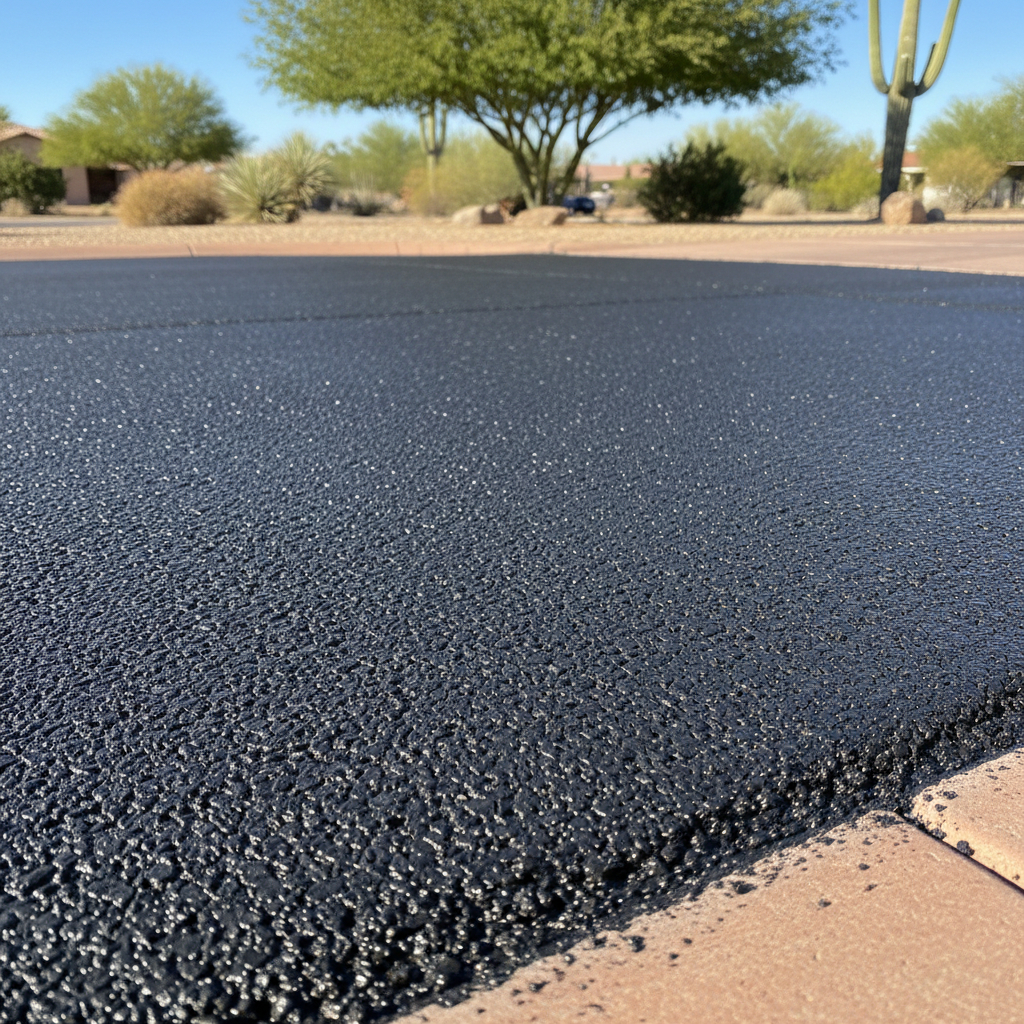
Alright, let's talk slurry coating. You've probably heard of sealcoating, right? Well, slurry coating is kind of like sealcoating's tougher, thicker cousin. It's a mix of asphalt emulsion, finely crushed rock (usually sand), water, and some other special stuff. When you put it down, it fills in small cracks, smooths out minor surface bumps, and gives your asphalt a fresh, black, uniform look. It's not just about how it looks, though; it adds a protective layer that really helps your driveway stand up to our brutal Tucson sun and those sudden monsoon downpours.
Think of it as a sacrificial layer. It takes the beating from UV rays, oil spills, and traffic, protecting the asphalt underneath. This extends the life of your driveway, which means you're pushing off a full repave for years down the road. That's money in your pocket, plain and simple.
Before You Even Think About Starting: Prep is Key
You can't just slap slurry over a dirty, cracked driveway and expect it to last. That's a recipe for disaster, and you'll be redoing it sooner than you think. This is where a lot of folks get tripped up, whether they're doing it themselves or hiring someone.
- Clean, Clean, Clean: First, you've got to get that surface spotless. I mean really clean. Power wash it to remove all dirt, oil, grease, and loose debris. If there's any moss or weeds growing in cracks, get rid of them. Let it dry completely. And I mean completely – in Tucson, that usually doesn't take too long, but don't rush it.
- Repair All Cracks: Slurry coating will fill tiny hairline cracks, sure. But anything wider than, say, a quarter-inch? You need to fill those cracks properly first with a good quality crack filler. If you don't, the cracks will just show right through your new slurry coat.
- Address Oil Stains: Oil and grease stains need to be treated with a degreaser and scrubbed thoroughly. If they're really bad, you might need to prime those spots with a specialty product, or the slurry won't stick right.
- Edge Control: Protect any adjacent concrete, landscaping, or garage doors with painter's tape or plastic sheeting. You really don't want black goo on your nice pavers, do you?
The success of your slurry coat depends almost entirely on how well you do this prep work. Skimp here, and you'll regret it.
DIY Slurry Coating: Can You Really Do It?
Okay, so you're thinking about tackling this yourself. For a small, relatively new, and well-maintained driveway, it's definitely doable. You can buy slurry coating materials at home improvement stores. They usually come in 5-gallon buckets.
Here's the gist of the process:
- Mix Thoroughly: The material needs to be mixed really well. Use a drill with a mixing paddle. You want a consistent, lump-free consistency.
- Apply in Sections: Don't try to do your whole driveway at once. Work in manageable sections. Start at the highest point and work your way down.
- Use a Squeegee or Brush: Apply the slurry with a specialized squeegee or a stiff-bristled brush. You want a thin, even coat. Don't go too thick, or it won't cure right and will peel.
- Two Coats are Better: Most manufacturers recommend two thin coats, allowing the first to dry completely before applying the second. This gives you better durability and a more uniform finish.
- Cure Time: This is critical. You absolutely cannot drive on it for at least 24-48 hours, sometimes longer depending on the product and weather. Our dry Tucson air helps, but patience is key.
Now, here's the catch: it's hard work. It's messy. And getting an even, professional-looking finish with a squeegee can be tricky, especially on a larger or irregularly shaped driveway. You'll see every missed spot, every thick puddle, every streak. And if you live in one of those older neighborhoods with a long, winding driveway, forget about it.
When to Call in the Pros (Like Pacific Asphalt Company)
For anything more than a small, perfect driveway, I'm going to tell you straight up: call a professional. Here's why:
- Larger Driveways: If your driveway is big, you'll need specialized equipment to apply the slurry evenly and efficiently. Pros use spray applicators that give a much more consistent finish than a hand squeegee.
- Significant Cracking or Damage: If your asphalt has a lot of alligator cracking, potholes, or major depressions, slurry coating isn't enough. You might need patching, crack filling, or even some minor asphalt repair before slurry. A pro can assess this properly and do the necessary repairs.
- Experience Matters: We've done hundreds of these jobs. We know how the material behaves in our Tucson heat, how to get the right consistency, and how to apply it for maximum durability and appearance. We know the nuances, like how much to thin it for optimal flow in 100-degree weather.
- Proper Equipment: We have commercial-grade mixers, sprayers, and tools that ensure a top-quality, long-lasting finish. Trying to replicate that with a 5-gallon bucket and a hardware store squeegee is just not realistic.
- Warranty: When you hire a reputable company like Pacific Asphalt Company, you get a warranty on the work. If something goes wrong, we stand behind it. You don't get that with a DIY job.
If you've got a lot of surface oxidation, a decent amount of small cracks, or just want a truly uniform, deep black finish that lasts, a professional application is going to give you far better results and value in the long run.
After the Slurry: Maintenance for Longevity
Once your slurry coat is down and fully cured, you want to protect your investment. Keep it clean. Sweep off dirt and debris regularly. If you spill oil or gas, clean it up immediately with a mild detergent. Don't let heavy vehicles sit on it for extended periods, especially when it's fresh. While slurry coating is tough, it's not indestructible. Taking care of it means you won't have to think about another application for several years.
Slurry coating is a great way to protect and revitalize your asphalt driveway here in Tucson. Just be honest with yourself about the scope of the work and your own capabilities. Sometimes, saving a few bucks upfront means more headaches and costs down the road. Make the right call for your driveway.