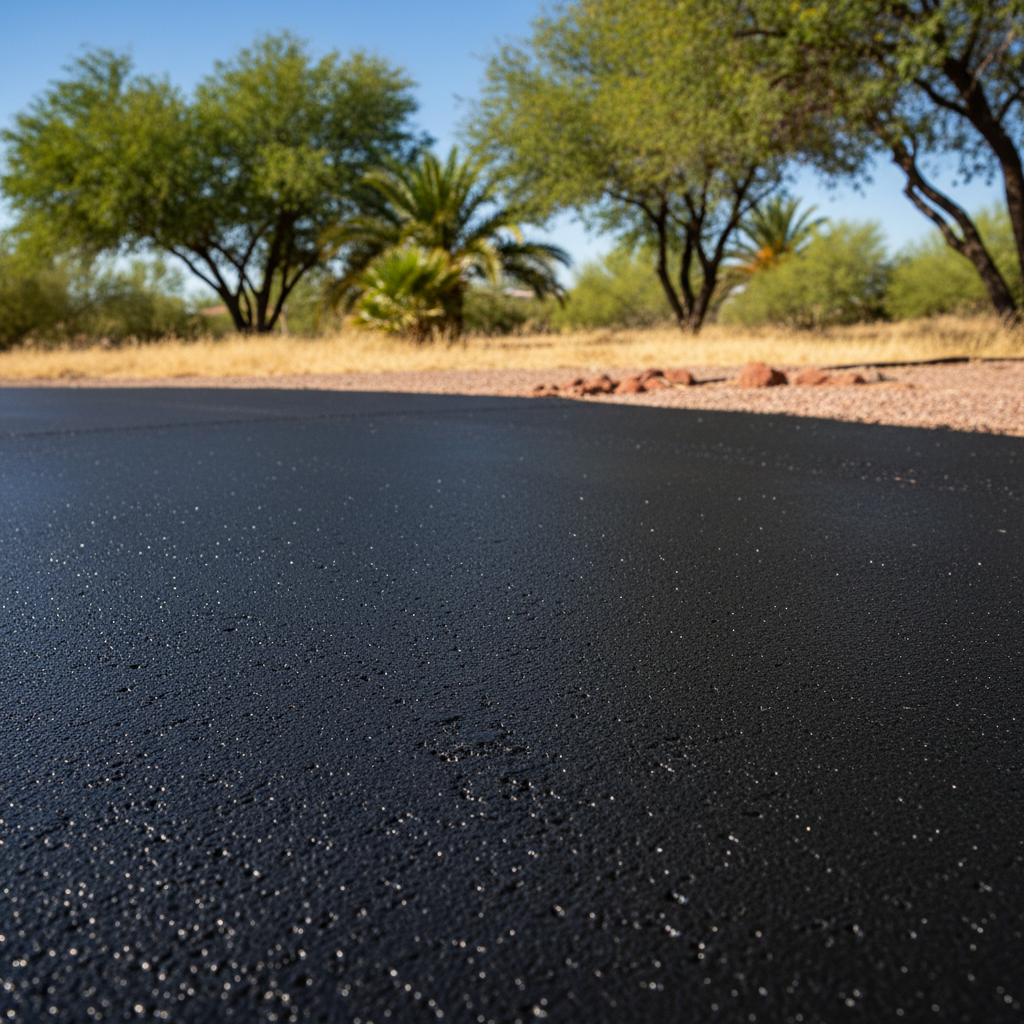
What exactly is asphalt sealcoating, and why do I need it in Tucson?
Alright, let's get right to it. Sealcoating is basically putting a protective layer over your asphalt. Think of it like sunscreen for your driveway, but way tougher, you know? It's a liquid asphalt emulsion, often mixed with sand for traction and durability, that we apply to the surface. Why do you need it here in Tucson? Simple: the sun. Our intense UV rays and those scorching summer temperatures are brutal on asphalt. They dry out the binder, making it brittle and prone to cracking. Sealcoating helps slow down that oxidation process, protecting your investment from the elements, oil spills, and even water penetration that can wreak havoc underneath.
How often should I sealcoat my asphalt in our desert climate?
This is probably the most common question I get. For most residential driveways or smaller commercial lots in Tucson, I usually recommend sealcoating every 2-3 years. Now, if you've got a brand new asphalt surface, you should wait about 6-12 months for it to fully cure before that first sealcoat. After that, it depends on a few things: how much traffic it sees, if it's shaded or gets direct sun all day, and how well it was installed in the first place. Some folks with low-traffic driveways might stretch it to four years, but honestly, with our sun, pushing it too long isn't smart. You're better off being proactive than waiting for cracks to start forming.
What's the best time of year for sealcoating in Tucson?
Timing is everything, especially with our wild weather swings. You can't just sealcoat whenever. The ideal conditions are when the air and surface temperatures are consistently above 50°F (10°C) and rising, and there's no rain in the forecast for at least 24-48 hours after application. That usually puts us in the spring (March to May) and fall (October to early December) here in Tucson. Trying to do it in the middle of summer when it's 110°F is tough on the crew and can cause the material to cure too fast, leading to issues. And trying to do it in winter when nighttime temps drop below freezing? Forget about it, the material won't bond right. We're always watching the forecast for Pacific Asphalt Company projects.
Can I just DIY sealcoating, or should I hire a pro?
Look, I'm a contractor, so you might think I'm biased, but hear me out. You can buy buckets of sealcoat at the big box stores, sure. And for a tiny patch or a small walkway, maybe you can get away with it. But for an entire driveway or a parking lot? It's a lot more involved than just rolling paint on. You need proper cleaning, crack filling, oil stain priming, and then applying the sealcoat evenly, often in two coats. Doing it right requires specific equipment, experience with different material types, and knowing how to handle our specific climate conditions. I've seen plenty of DIY jobs that end up looking streaky, peeling, or just not lasting. You'll likely spend more time and money fixing a bad DIY job than if you'd just hired a professional from the start.
What kind of prep work is involved before you even start sealcoating?
This is crucial, and it's where a lot of DIY attempts fall short. You can't just slap sealcoat over a dirty, cracked surface. Here's the basic rundown of what we do:
- Cleaning: We'll blow off all loose debris, dirt, and leaves. Then, any oil or gas stains get treated and scrubbed. If there's moss or weeds growing in cracks, those get removed too.
- Crack Filling: This is a big one. Any cracks wider than about a quarter-inch need to be cleaned out and filled with a hot-pour or cold-pour crack filler. You can't just sealcoat over open cracks; they'll just show through and let water in.
- Edging: We'll often trim grass or weeds along the edges to ensure a clean application line.
- Priming: Sometimes, heavily stained or particularly porous areas might need a primer coat before the main sealcoat goes down.
Without proper prep, your sealcoat won't adhere correctly, won't last, and frankly, won't look good. It's like painting a wall without cleaning or patching it first.
How long do I need to stay off my driveway after it's been sealcoated?
Patience is key here. After we apply the sealcoat, you'll typically need to keep traffic off it for at least 24-48 hours. This allows the material to cure properly. On a cooler, more humid day, it might take closer to 48 hours. On a hot, dry Tucson day, it might be closer to 24, but we'll always give you a specific timeframe based on the conditions. Driving on it too soon can leave tire marks, scuff the surface, or even pull up the fresh sealcoat. It's a pain, I know, but it's worth it for a durable finish. Once it's fully cured, you're good to go. Just remember, it'll be a bit darker and look brand new, which is exactly what you want.