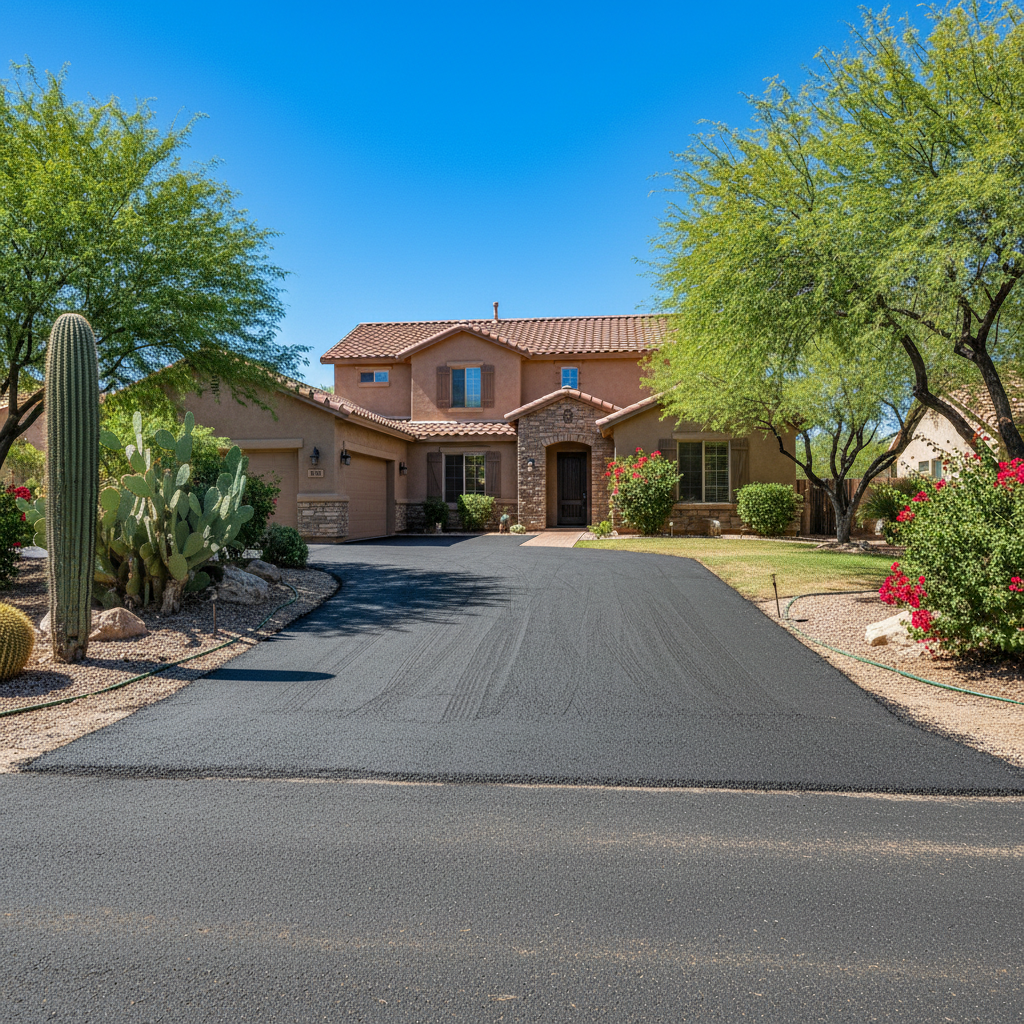
Alright, let's talk about asphalt milling. You might be thinking about getting some work done on your driveway or parking lot, which is a smart move. But here in Tucson, it's not just about finding a good crew; you also need to understand how our unique desert climate plays a huge role in when and how that milling job gets done. Believe me, I've seen it all out here, and ignoring the weather can really cost you.
What Even Is Asphalt Milling?
First off, for anyone who's not totally sure, milling is basically shaving off the top layer of your existing asphalt. We use special equipment to grind it down to a consistent depth, leaving behind a fresh, textured surface. Usually, we do this before laying down a new layer of asphalt, or sometimes just to improve drainage or level out an uneven spot. It's a pretty cost-effective way to fix up a paved area without having to tear everything out and replace it.
When's the Best Time to Mill in Tucson?
This is where our local climate really makes a difference. You might think any time is fine, right? Just get it done. Well, not so fast. The best time for asphalt milling in Tucson is generally during the cooler, drier months. Think late fall, winter, and early spring – roughly October through April.
- Why not summer? Our summers are brutal, plain and simple. We're talking 110+ degrees for weeks on end. When asphalt gets that hot, it turns much softer and more pliable. While you *can* still mill it, the machinery can sometimes tear the asphalt instead of cutting it cleanly. This often leads to a less consistent surface and can make it harder for the new layer to bond properly. Plus, it's just plain miserable for the crew, which, let's be honest, affects efficiency and quality.
- Monsoon season is a definite no-go. You absolutely don't want to schedule milling during our monsoon season, which usually runs from July through September. Sudden, heavy downpours can turn a freshly milled surface into a muddy mess in minutes. A milled surface is porous and exposed; it's just not built to handle a flash flood. You'll end up with standing water, potential erosion, and a big headache. And remember, you can't lay new asphalt on a wet base, so any rain delay means your project gets stretched out.
So, aim for those sweet spots: October-November and February-April. Temperatures are more moderate then, and you're far less likely to get hit with unexpected rain.
Weather Conditions That Affect the Work
Beyond just the season, specific weather conditions on the day of the job are super important. Here's what I look for:
- Dry Conditions: This is non-negotiable. The surface has to be dry before we even think about starting. Any moisture can gum up the machinery, make the asphalt harder to cut cleanly, and compromise the integrity of the base for the new paving.
- Moderate Temperatures: Like I said, extreme heat makes asphalt too soft, and extreme cold can make it brittle. While Tucson doesn't get much extreme cold, those 40-50 degree days are just perfect for a clean, efficient milling job.
- No High Winds: Not as critical as rain or temperature, but high winds can be a real nuisance. They kick up a lot of dust and debris, which isn't great for visibility or air quality for the crew and surrounding properties.
When Pacific Asphalt Company schedules a job, we're always keeping a close eye on the forecast. We'll definitely communicate with you if we see something that might affect the schedule, because getting it right the first time is always the goal.
Protecting Your Investment Year-Round
Once your milling and repaving are done, you've made a significant investment. Here's how to keep it looking good and lasting long, especially with that Tucson sun beating down on it:
- Sealcoating: I really can't stress this enough. About 6-12 months after your new asphalt is laid, get it sealcoated. This protects it from UV rays, water penetration, and oil spills. Our sun is a killer, and sealcoating is like sunscreen for your asphalt, you know?
- Regular Cleaning: Keep it free of debris, dirt, and especially oil or gas spills. These chemicals can break down the asphalt binder over time.
- Address Cracks Promptly: Even with new asphalt, small cracks can pop up due to ground movement or temperature changes. Fill them quickly! Water is asphalt's worst enemy, and once it gets under the surface, it can cause major damage, especially if you're in an area like the Catalina Foothills where the soil can be expansive.
- Proper Drainage: Make sure water is always draining off your paved surfaces. If you see puddles forming, that's a red flag that needs attention.
Milling is a smart choice for many properties, but like anything else, it needs to be done right and at the right time. Pay attention to our Tucson weather, and you'll get the most out of your asphalt investment.